
Research Analysis
-

Sheltered Without Support: Where Do Most Homeless Families End Up?
•
Mothers of families struggling with homelessness most frequently seek out two main sources of help: doubling up by moving in with friends and family and emergency shelter stays. Both of these options offer an immediate reprieve but may have negative long-term effects.
-

University of Chicago Presidential Scholar Weighs In on Obama Library
•
Professor William Howell explores the reasons presidential libraries are important and the academic value of having the Obama Library near the University of Chicago.
-

Hands Off Health Insurance: Could Looser Restrictions on Health Insurance Plan Offerings Reduce Premiums?
•
A new study suggests that looser restrictions on health insurance plan offerings could result in lower premiums for state-based Health Insurance Marketplaces.
-

Conservation Development: Residential planning with an environmentalist’s eye
•
While conservation development schemes hold promise as a method of protecting sensitive lands within residential development, the ordinances that promote them should be improved.
-

Buckling Down By Lightening Up: How Humor Can Boost Students’ Persistence
•
In a randomized experiment, students who watched a funny video persisted with a mentally taxing task twice as long as other students.
-

The Uphill Battle to Reduce CO2 Emissions May Be Twice as Steep as Previously Thought
•
A new study examines the role of uncertainty in modeling the social cost of carbon use. Its conclusions indicate that the optimal carbon dioxide tax and abatement level may be double the estimates of a widely used model.
-

Change Versus Invention: Innovation and Public Health Care
•
A survey of public health care leaders in California finds that innovation is seen as less technology-driven and more about the implementation of efficient and effective systems.
-
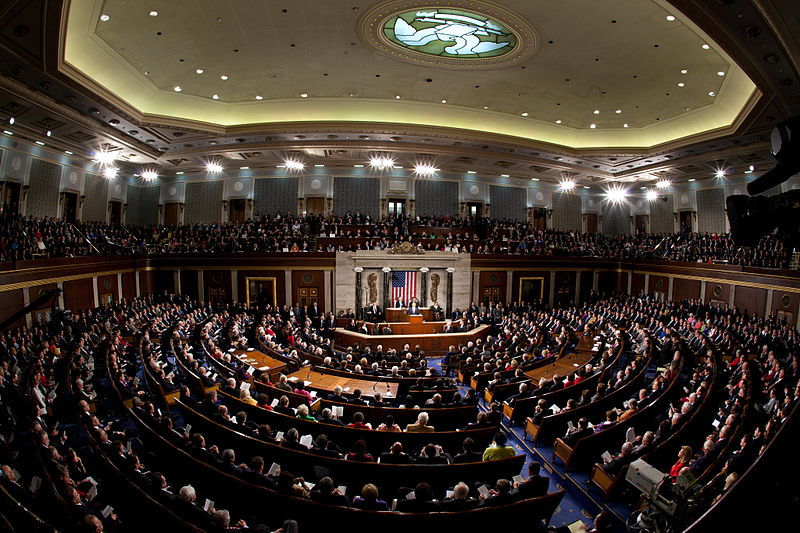
State of the Union Part 2: Obama’s Gamble on Free Community College
•
Free community college will help, but opportunity costs will prevent others from taking advantage of the president’s proposal.
-

Late Retirement Bonus: How the Government can Incentivize Working Longer
•
A new study finds that individuals increase the age in which they intend to claim Social Security benefits when they are offered lump sums instead of and equal to their future benefit increases.
-

Rethinking the Optimal Tariff Theory
•
Using forty years of price data from the raw cane sugar market in New York City, trade economist Douglas Irwin finds that market demand responds asymmetrically to tariff increases versus tariff reductions.
-

When One Size Doesn’t Fit All: Differing Outcomes for Foster Children in Group Homes
•
A study investigates how certain children in the foster care system may respond negatively to placements in group homes.