
Research Analysis
-

How electrification will replace fossil fuels and change the future
•
Electrification, defined as replacing carbon-emitting fuels with electricity as a primary energy source to provide a similar service, is often considered a critical tactic in the fight against climate change. The process of electrification may be the globe’s best option in satisfying increasing energy demand while simultaneously decreasing humanity’s carbon…
-

Who Assesses the Assessors? Studying Prescription Drug Monitoring Program Data Quality
•
The current opioid epidemic is unprecedented in its scope, accounting for the deaths of 72,000 Americans in 2017 and surpassing deaths from car accidents and gun homicides combined. In response, policymakers have been attempting to find solutions. One attempted solution is the creation of Prescription Drug Monitoring Programs (PDMPs), databases…
-

The Health Consequences of Climate Change
•
The earth has warmed by 1.62 degrees Fahrenheit (0.9 degrees Celsius) since the late 19th century. This may seem insignificant to a layperson, but scientists and health experts agree that climate change poses a serious threat not only to the environment, but also to our health. In a recent study…
-

Can an Algorithm Identify Repeat Offenders?
•
Assessing the likelihood that a defendant will reoffend in the future is a vital task in the criminal justice system. Judges weigh the risk of recidivism when making decisions about bail and sentencing, and their conclusions can have a significant impact on defendants’ lives. In 1998, the software company Northpointe…
-

Benchmarking Development Projects to Cash
•
In recent years, there has been increasing evidence in support of cash transfers, both conditional and unconditional. In fact, there are organizations whose sole purpose is to give cash directly to the poor. While the evidence suggests that cash transfers can improve livelihoods, there is relatively little evidence on how…
-
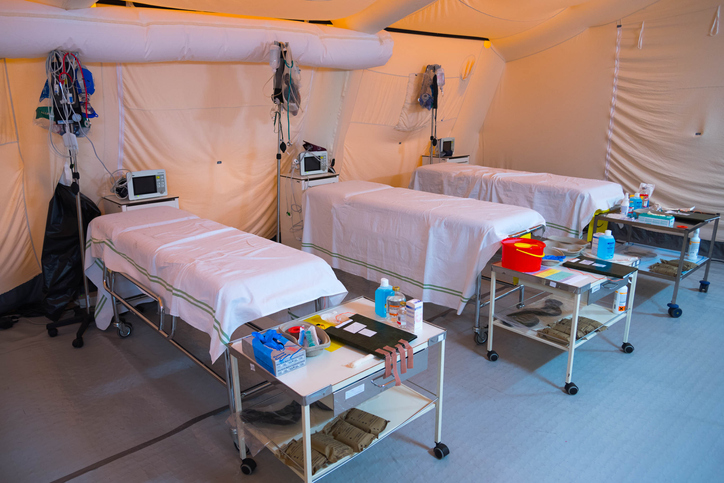
Can Telemedicine Actually Work on the Frontlines?
•
In a rapidly transforming and ever-globalizing world, countries continue to advance unevenly in technology, development and infrastructure. As a result, low- to middle-income countries have struggled to respond to the widening wealth gap, which leaves marginalized populations without access to basic resources, including health care. In certain hard-to-reach spaces, such…
-

Debilidad estatal y violencia: dos caras de la misma moneda
•
¿Por qué Colombia ha experimentado niveles tan altos de violencia? La respuesta tiene que ver, en gran medida, con la debilidad estatal. Dentro de las características que definen a un Estado moderno destaca la capacidad de proveer seguridad y orden a una porción amplia de la sociedad. Colombia no ha…
-

Healthy Civilian-Military Affairs: A Critical Component of Success in War
•
Common measurements of the likelihood of success of military or national security endeavors tend to be quantitative factors such as budget size, number of personnel, level of technological advancement, or functionality of equipment. However, sociological factors can also be a significant indicator of military success. In an article published in…
-

Opioid Use and Employment: A Complicated Relationship
•
Opioid use can be traced back at least as far as the end of the 3rd millennium B.C., with notable crises worldwide in both the 19th and 20th centuries. However, today’s epidemic is “the worst drug addiction epidemic in [U.S.] history,” accounting for the deaths of 72,000 Americans in 2017…
-

A Ceasefire that Backfired: Examining the Increase in the Killing of Social Leaders in Colombia
•
Negotiating peace is difficult. However, an equally difficult challenge arises when implementing peace where multiple non-state actors compete for territorial dominance. In “Killing Social Leaders for Territorial Control: The Unintended Consequences of Peace,” economists Mounu Prem, Andrés Rivera, Dario Romero and Juan Vargas found that an increase in the homicides…
-

How Do Electoral Gender Quotas Impact Government Spending?
•
Over the past few decades, an increasing number of countries have established gender quotas for elected positions. Typically, these quotas are enacted to address underrepresentation of women in political offices. According to data collected by the United Nations (UN), women represented just “22.8 percent of all national parliamentarians” in June…