
Finance & Economy
-

The IRS Should Collect Racial Data
•
The U.S. tax collection agency, the Internal Revenue Service (IRS), currently does not ask tax filers to disclose their race or ethnicity. This well-intentioned policy seeks to prevent racial discrimination and racially-motivated enforcement actions. Yet in a recent paper, George Washington University Law Professor Jeremy Bearer-Friend contends that omitting race…
-

The Tolerance of American Inequality
•
The killing of George Floyd in the custody of the Minneapolis police triggered widespread and persistent protests across the United States. A key flash point among protesters has been economic inequality and racism. History supports their cause—for the last thirty years, we have witnessed a steady increase in income inequality…
-

The Energy Demand Crisis Within the Public Health Crisis
•
As COVID-19 spreads around the globe, staying at home has become the easiest and most effective way to save lives. Governments across the world have translated this public health measure into policy by enacting “shelter in place” orders, confining millions to their homes. As a result of these orders, residential…
-

The Jobs Numbers are Bad
•
The jobs report was released today, October 2nd, with the preliminary estimate of the unemployment rate at 7.9%. Following last month’s better-than-expected jobs report, Senate Republicans unveiled a slimmed-down coronavirus relief bill. The more comprehensive House bill remains in committee, where it is unlikely to progress. After a quick floor…
-

Gender Equality and the City
•
In the last last few years, the division between cities and rural areas has become a prominent topic of discussion, as it has huge repercussions for the political landscape of the United States. Many of these discussions try to understand the reasons for the disconnect between rural and urban areas…
-

Reparations Is the Only Choice
•
To address racial disparities faced by Black Americans, policymakers must prioritize a Black agenda highlighted by a federal reparations policy. For many scholars, reparations—as a policy—represent an initial attempt to acknowledge, redress, and provide finality of judgement for the financial hardships caused by slavery and Jim Crow. In “Resurrecting the…
-

One Intervention Is Not Enough: How Continued Human Capital Investments Reduce Inequality
•
How can we use education investments to reduce economic inequality and break intergenerational cycles of poverty? Research conducted by Rucker C. Johnson and Kirabo Jackson published in the American Economic Journal: Economic Policy suggests that continuous education investments throughout childhood can help narrow gaps in well-being by improving the adult…
-

Does the Financial Sector Contribute to Increasing Renewable Energy Consumption?
•
Carbon dioxide emissions are one of the major causes of climate change. Developing the renewable energy industry is essential to tackling climate change since that decreases reliance on fossil fuels. As the European Union strategizes for smart, sustainable, and inclusive growth, it prioritizes increasing the ratio of renewable energy to…
-

The Uncertain Economy
•
These are highly uncertain times. In a matter of weeks, the longest economic expansion in U.S. history has become the sharpest recession on record with the first true pandemic recession. Mass death, record declines in GDP, and job losses are foregrounded against the confusing backdrop of a messy presidential election…
-
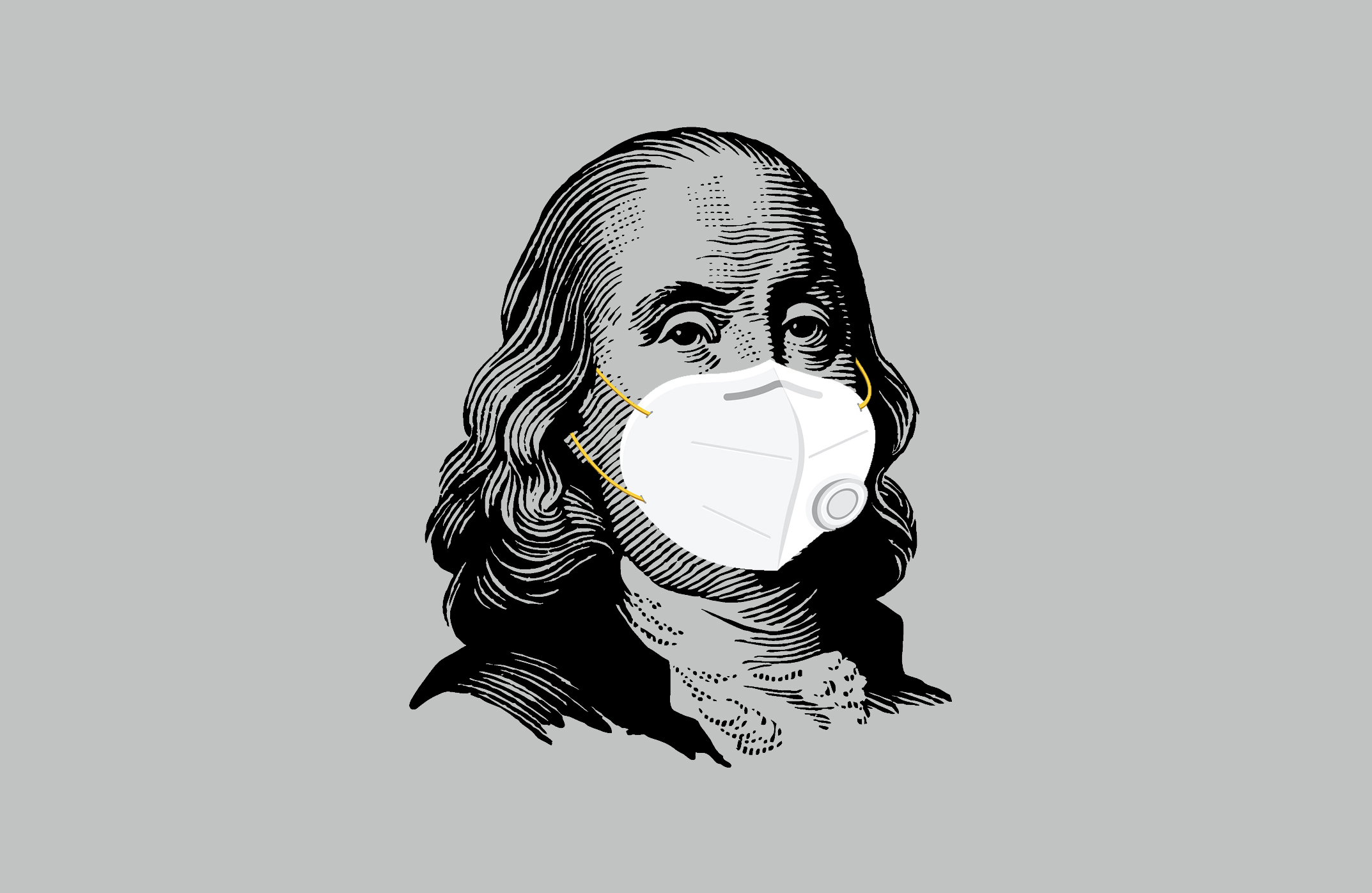
Record Unemployment is a Policy Choice
•
Europe and the United States are pursuing vastly different strategies in response to the economic crisis caused by Covid-19. Structural differences between the US and EU member states’ welfare systems have informed the divergence in government intervention. Throughout most of Europe, central governments are propping up companies by covering their…
-

Minimum Wage in a Pandemic, in 4 Graphs
•
As the economy free falls into a sharp recession [1], many low-income workers have been deemed “essential” during the pandemic [2], which effectively obligates work—notably without any additional federally mandated hazard pay [3]. This basic contrast, along with conversations regarding the presumed distortions of unemployment benefits [4], has dominated much…