
Finance & Economy
-
The Future of the Child Tax Credit
•
After months of negotiations, Sen. Joe Manchin announced he would not support the $1.7 trillion Build Back Better Act — legislation that would make historically unparalleled investments in clean energy, health care, and a wide range of social programs. Effectively preventing its passage in the Senate, Manchin objected to the…
-

Who Benefits From Student Debt Cancellation?
•
As of August 2021, roughly 44 million Americans held a cumulative $1.57 trillion in student debt. Student debt held by Americans has doubled since 2008 and is growing faster than any other form of household debt. In fact, the average household today has nearly four times as much student debt…
-

Should Policy Makers Push for Supply Chain Resilience?
•
Your Christmas gifts this year may be stuck somewhere on the ocean. The latest NBER research gives some tips for policymakers to prevent this kind of supply chain disruption from happening again. Over the past two years, you may have had a hard time finding daily necessities in a supermarket,…
-

When Even the SEC Can’t Police Bad Behavior: The Facebook Whistleblower
•
When you think about corporations harming society, Facebook tends to jump to the top of the list. Whether fomenting civil unrest or enabling ethnic cleansing, the world’s largest social network seems to be at the mercy of a barrage of negative headlines. The recent testimony by whistleblower Frances Haugen in…
-
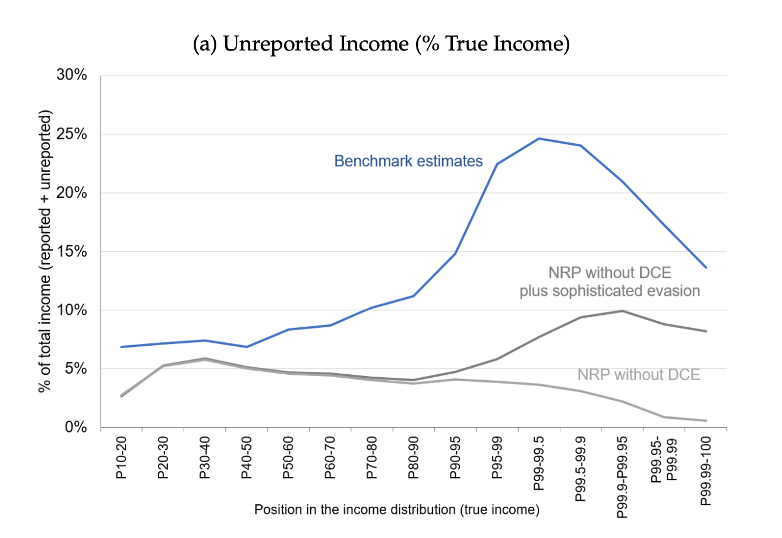
How the Top 1% Evade Taxes – and Get Away With It
•
It is no secret that the rich hate paying taxes. A recent ProPublica investigation of tax returns revealed that the 25 richest Americans paid a true tax rate of 3.4% on the wealth they accumulated from 2014 to 2018 through entirely legal means. At the same time, there are troves…
-
WTO Negotiations Could Soon End Exploitative Fishing Subsidies
•
Open water fishery crisis is one of the greatest “tragedies of the commons. Although open water fish stocks are a public resource, governments have degraded their value by subsidizing fisheries. According to the World Trade Organization, governments spend between $14 and $54 billion on global fishery subsidies every year. By…
-

Why Good Policymakers Should Check Their Moral Judgements
•
Consider bans of the headscarf, which stem from a moral objection to the object and the value system it symbolizes. A policymaker who advocates for the ban might believe that it would be for the “good” of the women affected by it in opposing a patriarchal symbol. However, for the…
-
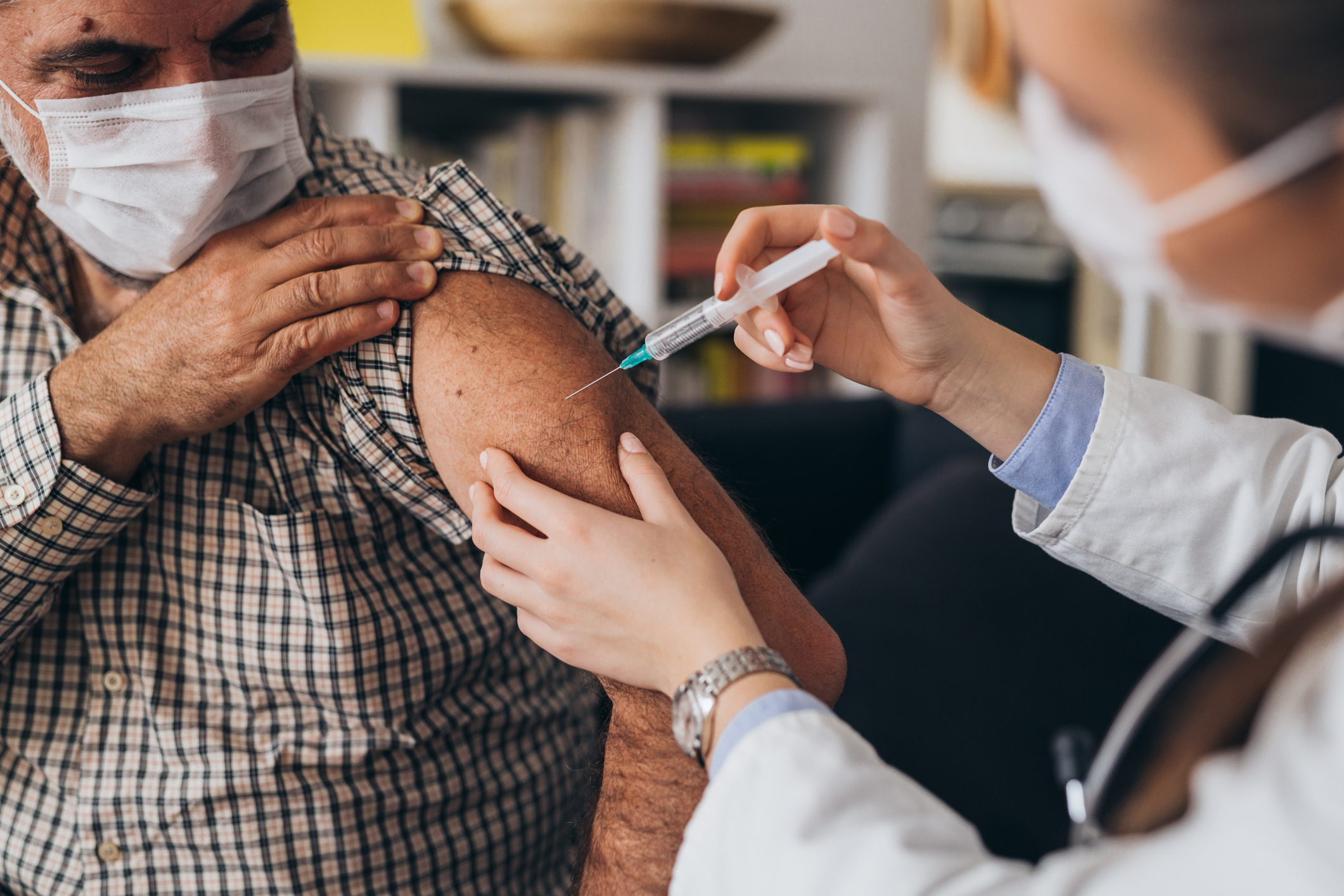
A Better Way to Vaccinate the World: Interview with Professor Michael Kremer
•
Michael Kremer is a development economist and University Professor in Economics at the College and the Harris School of Public Policy, University of Chicago. A 2019 Nobel Laureate in Economics, he joined the University of Chicago in 2020, and has since founded the Development Innovation Lab, a research center which…
-

High-Hanging Fruit: How Governments Can Respond to High Food Prices
•
On January 31, the Agricultural Market Information System (AMIS) released its latest food price index report, showing that food prices have trended upward since July 2020. The primary agricultural commodities — soybeans, wheat, and other cereals, corn, rice, and meat — are trading at the highest levels in a decade. The…
-

Is a Skill Signaling Gap Worsening Economic Inequality?
•
Since the 1970s, the United States has experienced growing inequality as the wealthy increased their total income share while the middle class shrunk. One of the most important explanations of this phenomenon is rising college premiums coupled with stagnant returns to high school education. With rapid technological change, the job…
-

When Public Spending on Social Policies is Fiscally Responsible
•
Governments enact federal programs with the hope that they will improve the well-being of their citizens. But how do we know which programs have the highest long-term returns on investment? It is difficult to compare policies from different domains because of a lack of common factors. In a recent paper,…