
Energy & Environment
-

Developing Efficiency: Why energy efficiency gains in China may not be fully realized
•
The rebound effect, which measures the increased demand for energy from increasing energy efficiency, is found to be strong in Chinese urban residential electricity use.
-
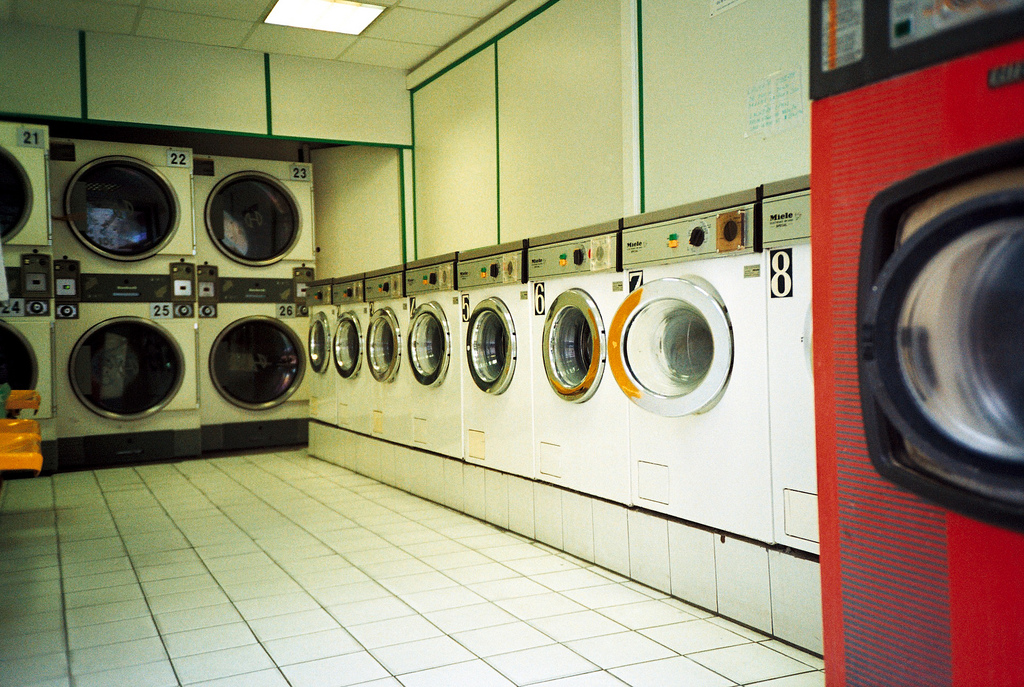
Conditional Demand Analysis: A cheap and effective approach to modeling residential energy usage
•
The statistical technique of conditional demand analysis allows Canadian researchers to cheaply estimate residential appliance savings and help policymakers structure behavioral and technological conservation programs.
-

Flipping the Script on What Causes City Green Initiatives
•
Researchers find new data that contradict their previously held belief that cities push for community-wide green sustainability programs for their cost-saving benefits.
-

The UK Climate Change Act is a Story of Political, Not Environmental, Sustainability
•
An analysis of the UK Climate Change Act demonstrates the importance of the political landscape in assessing the stability of climate change policies.
-

Japan’s Highly Energy Efficient Transportation Sector: Is It Possible for the US to Replicate?
•
A new study compares transportation sectors in the US and Japan, suggesting that potential crossover for American policymakers is minimal.
-

Discounting Energy Savings: Lessons from Incandescent Light Bulbs
•
A new study finds that consumers value compact fluorescent light bulbs less than their energy savings would imply.
-

Should Crop Price Matter When Determining Irrigation Acreage?
•
A new study attempts to predict demand for water in agricultural regions, allowing a better selection of irrigated acreage and an overall increase in water savings.
-

Policy Radio | Jacky Grimshaw, Vice President for Policy at Chicago’s Center for Neighborhood Technology, on Urban Sustainability
•
This week, Jim Howes sits down with Jacky Grimshaw to talk about urban sustainability in Chicago and around the world.
-
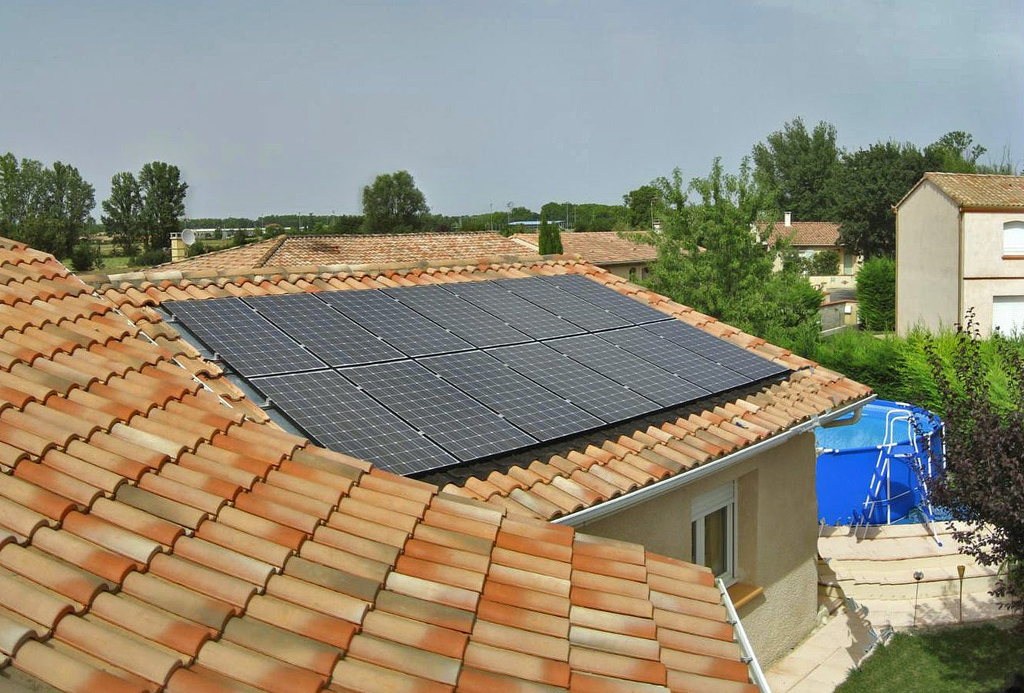
Good Day Sunshine: Investigating Solar Installation and Home Resale Premiums
•
A new study explores the home resale premiums associated with solar photovoltaic systems and how these premiums compare to predictions from standard appraisal techniques.
-

More Efficient Energy Efficiency: Smarter Program Targeting Means Higher Savings
•
New research shows that targeting high energy customers is an effective way to achieve substantial energy savings in utility conservation and efficiency programs.
-

No Excuses: BP-funded Study Suggests Mercury Limits Are Attainable
•
An analysis of 11 mercury removal methods finds that meeting federal limits for mercury levels in wastewater is possible with current technologies.